
90% of sealant bonding problems are solved in this way!
Factors affecting the adhesive performance of sealant
The adhesive performance of sealant is affected by many factors in practical applications, mainly including the following influencing factors:
A. The properties of adhesive substrates: Different types of substrates have different adhesive properties for sealants. For example, different types of plastic for plastic steel profiles, different coatings or surface treatment processes for aluminum profiles, and different polar groups on the substrate surface can all affect the adhesive properties of sealants;
B. The smoothness of the substrate surface: If the substrate surface is too smooth, it is not conducive to the adhesion of sealant. If the substrate surface has a certain roughness, it is conducive to the adhesion of sealant. For example, for a smooth surface acrylic board, sealant is usually difficult to bond, but only a slight sanding of the acrylic board surface with sandpaper is needed, and the sealant can bond well;
C. Cleaning of substrate surface: Whether the substrate surface is clean is an important factor affecting the bonding performance of sealant. If there are oil stains, dust, or other impurities on the substrate surface, it can cause the sealant to fail to bond. Even after removing the protective film, the adhesive on the back of the protective film remaining on the substrate surface can have a negative impact on the bonding of the sealant;
D. The use environment of sealant: When applying sealant in a high humidity environment, the presence of water mist on the surface of the substrate may have a negative impact on the adhesion of the sealant. Applying sealant when the surface temperature of the substrate exceeds 50 ℃ is also not conducive to the adhesion of the sealant;
E. Types of sealant: Different types of sealant have different adhesion properties to different materials.
Essential adhesion testing
With the rapid development of the materials industry, new materials emerge one after another, and the surface properties of the substrate are not within the quality control range of the sealant. Therefore, even the best silicone sealant cannot guarantee good adhesion to all substrates. The same substrate, different surface treatment methods, and differences in material batches can lead to inconsistent bonding effects.
Therefore, before the large-scale use of silicone sealant, it is necessary to conduct adhesion testing in order to select suitable products, cleaning agents, and determine whether a primer is needed. Only when the test results of the adhesion between the substrate and the sealing adhesive show that they can bond well, can they be used together. The cleaning agent and primer used for adhesive testing must also be used in the actual application of sealant construction.
Strictly follow the process to clean the substrate
A key to achieving good sealing adhesive adhesion is to have a clean material surface, but this is often the most overlooked aspect. Regardless of the material surface, foreign objects such as oil stains, release agents, dust, water vapor, or residual substances after removing protective tape film will adhere during on-site construction. These substances should be cleaned with solvents before applying sealant.
Before applying glue, the substrate cleaning process should be strictly followed, and suitable cleaning solvents should be selected to clean the substrate. The glue can only be applied after the cleaning solvents have dried. This ensures that the silicone sealant can effectively come into contact with the substrate. The cleaned substrate must be coated within 1 hour, otherwise it must be cleaned again. After cleaning, do not touch the surface with your hands to check if it is dry, as touching the substrate surface with your palm or fingers can leave sweat stains or grease on the substrate surface, which can have a negative impact on the adhesion of the sealant.

Correct application of primer
The function of the primer is to promote the adhesion between the sealant and the substrate. Proper use of the primer can help to create strong and sustained adhesion on surfaces that were originally difficult to bond. Whether to use a primer is determined by adhesion testing. If adhesion testing indicates that a primer is needed to ensure good adhesion between the sealant and the substrate, then a primer must be used in actual construction.
Before using the primer, the surface of the substrate should be dried and cleaned; When using, a clean and lint free cotton cloth should be used to apply a thin and uniform layer of primer on the interface surface. For surfaces that are difficult to apply or rough, a brush can be used. Do not tilt or use too much primer; After use, the silicone sealant should be applied after the primer is completely dry.
Be sure to apply full adhesive
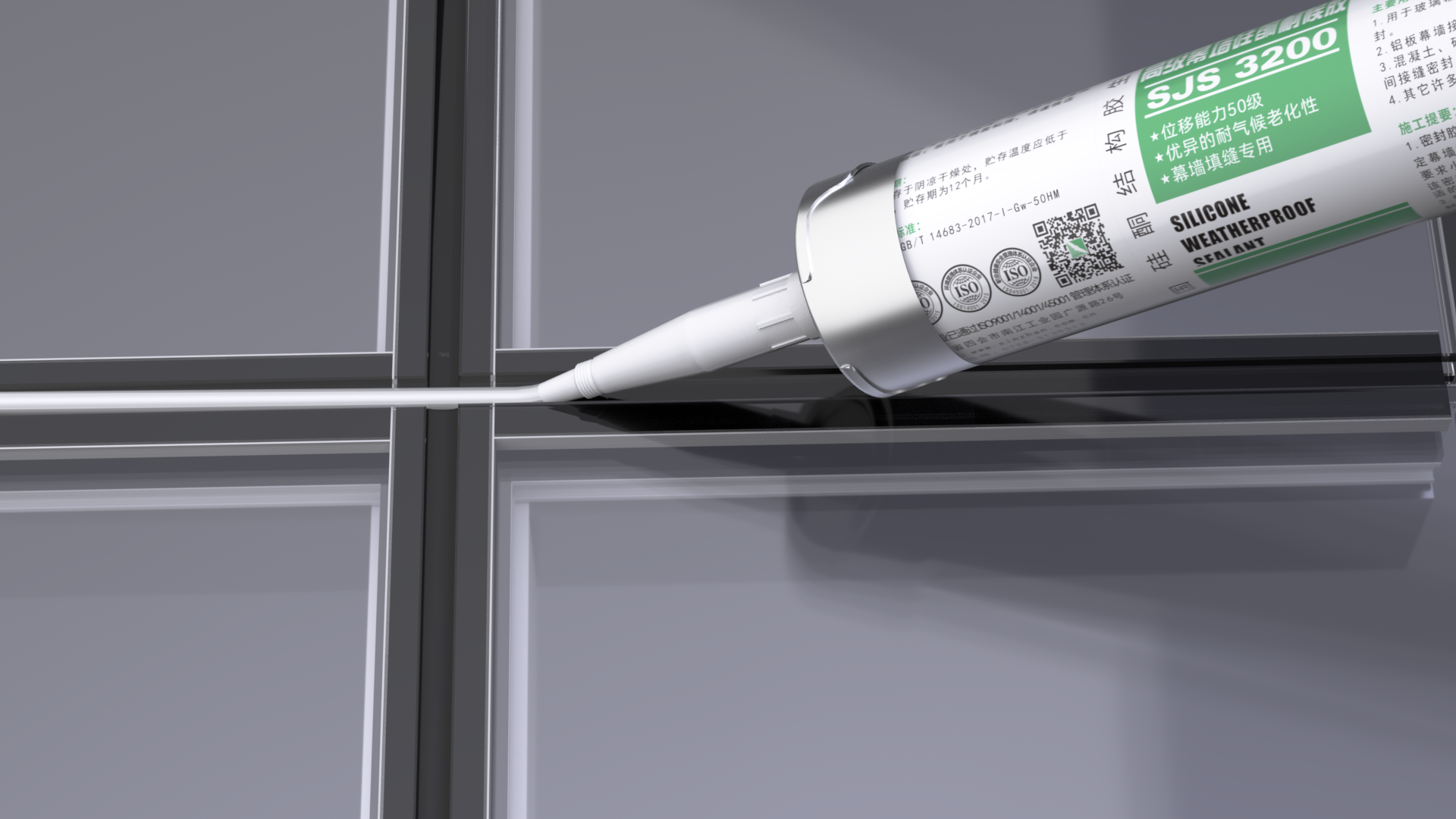
Silicone sealant needs to be fully filled at the designed interface, with a width and thickness that meet the interface design requirements in order to achieve the expected performance requirements. At the same time, a scraper is needed to fully contact the adhesive with the substrate in order to form an effective bond.
The correct application of glue should be a uniform and continuous process, followed by modification with a scraper within a feasible time range. During the modification process, force should be applied to ensure good contact between the glue and the surface of the substrate to be bonded.
Adequate maintenance time
The various properties of silicone sealant are reflected after it is completely cured. Similarly, the adhesive performance of silicone sealant can only reach its optimal state after it is completely cured.
According to Appendix D of the national standard GB 16776-2005 "Silicone Structural Sealants for Buildings", for curtain wall components made with silicone structural sealant, the complete curing time of the silicone structural sealant at normal room temperature is usually 7-21 days. The specific curing time is related to the type of sealant, and two-component sealant has a faster deep curing speed, with a maximum of 7 days for complete curing. Single component sealant requires moisture from the air to penetrate layer by layer into the interior of the sealant in order to cure, so the deep curing speed is slower and depends on the thickness of the adhesive layer. The thicker the sealant, the longer the curing time required for the deep layer. When the thickness of the adhesive layer reaches 10mm, it takes a maximum of 21 days to cure the sealant completely. The deep curing speed of non structural single component silicone sealant is generally slower than that of single component structural sealant. According to the national standard GB/T14683-2017 "Silicone and Modified Silicone Building Sealant" and the national standard GB/T13477 "Test Methods for Building Sealing Materials", the complete curing period is 28 days.
In addition, environmental temperature and humidity can also affect the curing speed of sealant. If the temperature or humidity is low, the curing period should be appropriately extended.
Key words:
RELATED INFORMATION
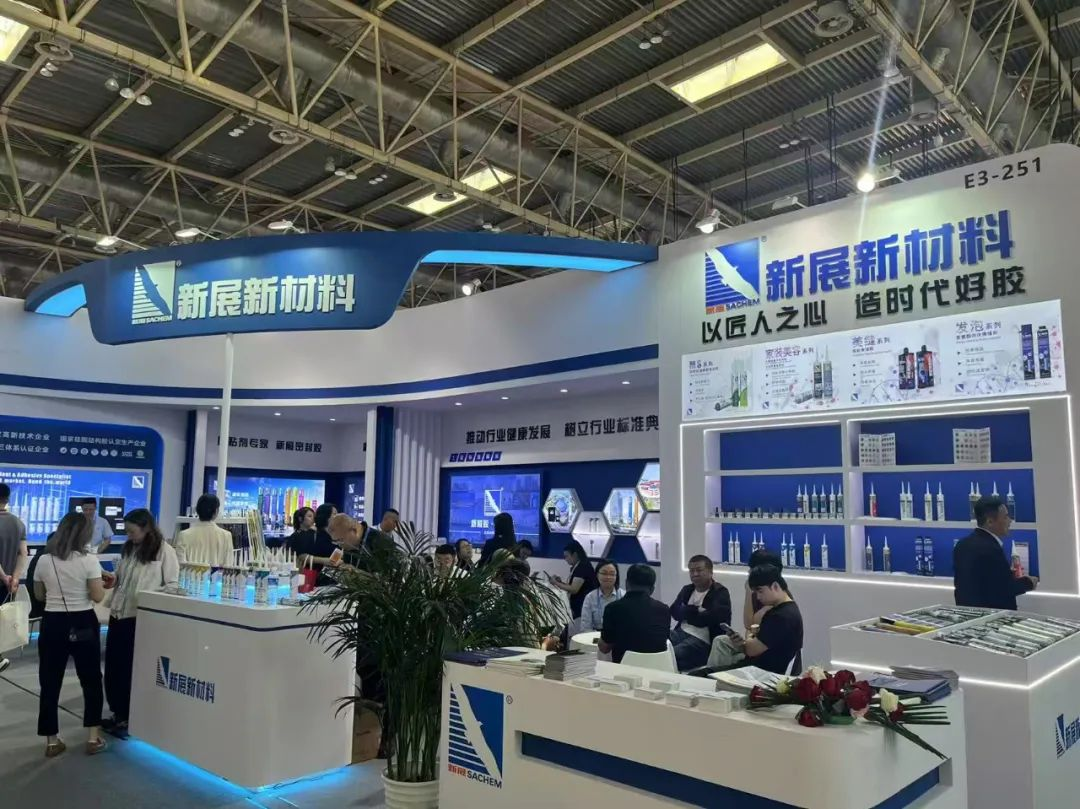
Dazzling New Exhibition · Shining in Beijing
May 29,2025

Aug 21,2023
Lead market, Bond the world


Product Series
About Us
Contact Us
86-13978636388
Christina-z1@outlook.com
No. 26 Guangyuan Road, Nanjiang Industrial Park, Dasha Town, Sihui City, Guangdong Province